Friday, 19 March 2021

Contoura LASIK

Contoura LASIK is a procedure that permanently reshapes your cornea using highly specialized laser technology. This eliminates the need for glasses or contact lenses by correcting the refractive errors of the eyes and improving vision. Contoura LASIK is used to correct nearsightedness (myopia), farsightedness (hyperopia) and astigmatism. It is a quick surgery which requires only 10 to 20 minutes for each eye and the results are seen soon after the surgery.

The Procedure:

  • Eyes are numbed using anesthetic eye drops
  • The eyes are kept open with an eyelid holder to avoid blinking
  • The outer corneal layer is cut to make a flap and the cornea is reshaped based on your spectacle or contact lens prescription.
  • The flap is then placed back and left to heal naturally without any stitches.

There will be an itching and burning sensation in your eyes immediately after the procedure and your vision will become clear in 24 hours. Some eye drops will be prescribed to help your eye heal and stay moist.

Why Choose Contoura LASIK?

Contoura LASIK can accurately correct most levels of refractive errors of the eye so that you can get freedom from spectacles forever. It is a painless and quick procedure with excellent recovery.  Being computer guided, the surgery is very precise and the desired outcome can be achieved in a single session. Any visuals enhancements required in future can also be done even years after the surgery.

Blog Reviewed By: Dr. Lalit Kumar
Mail Us: amrithospitalchennai@gmail.com 

Thursday, 4 February 2021

Contoura LASIK

Contoura LASIK is a highly advanced, precise and individualized treatment option for those who want to get rid of spectacles permanently. The procedure has redefined the term “quality of vision” as it offers surgeons much more detailed information on the structure of the cornea than the previous generations of LASIK procedures. With detailed mapping of the cornea, Contoura provides customized care for each eye of each patient. 

Who is a candidate for Contoura LASIK?

  •     Adult patients (18 years or older)
  •     Those who have a stable eyewear prescription
  •     Those with good eye health and general health
  •     Those who have up to  8 diopters of myopia and 3 diopters of astigmatism

Treatment Procedure

Contoura LASIK treatment can be completed in less than 30 minutes. After capturing the unique specifications of the cornea with Contoura, our experts use advanced laser technology to create a thin flap in the cornea, reshape it and  restore the flap to its original position. The flap heals over time and results in dramatic improvement in vision in no time. You may experience mild to moderate discomfort during the first few days after surgery, but most patients recover without any complications. We will prescribe medications to help with any discomfort and will also schedule follow-up appointments to test your vision and ensure proper healing.

Blog Reviewed By: Dr. Lalit Kumar
Mail Us: amrithospitalchennai@gmail.com 

Wednesday, 11 November 2020

Corneal Transplantation

The cornea is a thin mirror-like membrane that is situated in front of the iris and pupil of the eye. It is the cornea that enables us to see by focusing the light that enters the eye.

What is Corneal Transplantation?

Sometimes due to an injury or a disease, there may be some damage to your cornea. In such a situation with the help of a corneal transplant, your doctor may be able to improve or restore your vision. The central part of the cornea is taken out and replaced with a smaller-sized healthy cornea obtained from a donor. As an outpatient procedure, this surgery is generally recommended only for selected cases.

Why do I need a Corneal Transplantation?

Corneal Transplantation can help in restoring or improving the vision, in case you have a damaged cornea. It is helpful in healing:

  • Degeneration of innermost layer of cornea (Fuchs dystrophy)
  • Keratoconus
  • Bulging cornea
  • Thinning of the cornea
  • Scarring, clouding or swelling in the cornea
  • A corneal ulcer

How is Corneal Transplant Done?

In most cases a corneal transplant is done under anaesthesia, that would prevent pain and movement of the eye muscles. The surgery is done using a microscope. Your doctor/surgeon would remove a piece of your cornea and replace it with a new cornea, cut and fitted to your size, it will be sewn using an ultra-fine thread which will be removed later.

The surgery generally takes about an hour or two, you may spend some time in the recovery room to let the anaesthesia wear-off completely.

What to Expect?

Most patients are able to get their vision restored after a corneal transplant, though the result depends on your surgery as well as the extent of damage to your eye. There is a risk of cornea rejection, however, it can be managed with medications.

Corneal disorders and diseases are one of most common cause of blindness all over the world. If you or anyone you know has symptoms that are concerning, consult your doctor immediately.


Blog Reviewed By: Dr. Lalit Kumar
Mail Us: amrithospitalchennai@gmail.com 

Friday, 25 September 2020

Diabetic Retinopathy - What is it and how is it treated?

Retinopathy refers to any disease that affects the human retina, i.e. the innermost layer of the eye. And, when diabetes is that disease, it is called Diabetic Retinopathy. Any person who has Type 1 or Type 2 diabetes or has been a long term diabetic with uncontrolled blood sugar, is at high risk of being afflicted by retinopathy. 


There usually are no early stage symptoms, But if it worsens, the following can occur:

  • Double vision or blurry distorted vision.
  • Retinal blood vessels start bleeding into the eye, causing dark floating spots.
  • Pain due to damage to the optic nerve, caused by high blood pressure.
  • Total vision loss.

It can also led to the following very serious eye conditions:

  • Diabetic Macular Edema (DME) - Edema means a swelling caused by an injury or inflammation. This happens when retinal blood vessels start leaking fluid causing a swelling, which leads to blurry vision. 
  • Neovascular Glaucoma - when abnormal growth of blood vessels block the fluid from draining out of the eye, leading damage to the nerves.
  • Retinal Detachment - scarring on the back of the eye pulls the retina back from the eye in a condition called tractional retinal detachment.

Checking & Diagnosis:

This starts with a dilated eye exam, where eye drops are used to dilate or widen the pupil of the eye, followed by Vision Acuity Test to check clarity of vision; Vision Field Test to check side vision; Muscle Function Test to check the eye muscles; Pupil Response Test to check pupil’s response to light and a Tonometry Test to check eye blood pressure. If severe DME is suspected, a Fluorescein Angiogram would be advised. Here a harmless dye is injected into the blood allowing photographs to be taken of the retinal blood vessels.

Treatment: 

Injections: in DME patients a protein called VEGF is known to increase blood leakage and swelling. Injecting anti-VEGF medication blocks VEGF and improves the condition.

Laser Treatment: Here lasers are used to reduce swelling, shrink blood vessels to stop leakage.

Eye Surgery / Vitrectomy: this is advised when there is a lot of bleeding, scarring or to remove and replace the vitreous, i.e. the gel that fills the human eye with a special gas or silicone oil. It is also used to reattach displaced retina. 

Every diabetic is at risk of suffering Diabetic Retinopathy, with Type 1 and Type 2 patients being at highest risk. For a diabetic, regular eye exams are highly recommended, as early diagnosis can stop the damage and prevent blindness.


Blog Reviewed By: Dr. Lalit Kumar
Mail Us: amrithospitalchennai@gmail.com 

Monday, 10 August 2020

Amrit Hospitals - Safety & Service Above All

 The whole world is in  lockdown mode, with the Covid-19 virus possibly in every literal breath that we take. In big Indian metro cities, with their overcrowding, the infected numbers are increasing every day. The government has, quite naturally, made Covid-19 testing and treatment a priority, in most hospitals, government and private, to prevent cross infection of normal patients and to avoid overloading the already stretched infrastructure.

The operative word here is “most” not "all", and Amrit Hospitals is one such exception. Here, they help with “all other” medical issues/emergencies.

Amrit Medicare Pvt. Ltd. is a multispeciality hospital in Purasawalkam and Sowcarpet offering the best medical and surgical care with consulting specialists for every possibility. In the current situation they are offering their services for all non-Covid-19 medical emergencies with the utmost care to safety to all its patients and employees.

The medical services they offer include:

  • Ophthalmology
  • General Medicine and Geriatrics (old age related diseases).
  • General Surgery.
  • ENT services.
  • Obstetrics and Gynaecology.
  • Diabetology (treatment of diabetes, its follow up and related services).
  • Chest medicine and associated services.
  • Urology (issues related to the urinary tract).
  • Dermatology (skin related).
  • Orthopaedics.
  • Physiotherapy.

They also offer: Well organised and designed waiting and consulting rooms; well equipped 24-hour laboratory facilities; X-ray and ultrasound imaging services; Intensive Care Unit with cutting edge monitoring equipment, well supplied pharmacy and facilities to take care of insurance mediclaims.

Amrit Hospitals, in the current pandemic situation, assures to offer the absolute best possible services with total care and utmost safety to all those who come for their services.

They can be contacted at:

AMRIT HOSPITALS,

Amrit Medical Centre,

73/28, Dr Alagappa Road,

Purasawalkam,

Chennai,

Tamil Nadu ,

India

Pin: - 600084

Phone:  044-26427711 / 044-26427722

Blog Reviewed By: Dr. Lalit Kumar
Mail Us: amrithospitalchennai@gmail.com 

Wednesday, 24 June 2020

Occlusion therapy and Revitalvision therapy for Amblyopia

Amblyopia is a medical condition where the vision in one eye is reduced, early in life. It is also called Lazy Eye as the eye seems to move without control. Here the brain fails to process input from one eye favouring another, resulting in the decreased vision in the unfavoured eye.


Any  condition that affects the focussing of the eye can lead to Amblyopia, like irregularly shaped or inaccurate alignment of eyes; nearsightedness or farsightedness. It is recommended that all children between the ages of four and five have their vision tested. This rarely affects both eyes. 

The two common methods of treatment are:

Occlusion Therapy for children and young adults: 
When correcting refractive errors using spectacles/contact lenses fails, Occlusion Therapy is introduced. The vision to the healthy eye, yes, the healthy eye, is occluded or blocked by means of an external eye patch, forcing the brain to rely on the weaker eye.

However, Over Patching or Over Occlusion of the good eye can lead to Reverse Amblyopia, which is bad. This is why it is done only 4-6 hours a day. While the treatment can continue as long as the vision improves, it is not advised, if after 6 months there is no improvement, and other methods need to be sought.

Revitalvision Therapy for ages above 6 years.. 
This is a noninvasive method based on visual stimulation of perceptual learning and is specific to each individual. Through a computerised training programme based on what are called Gabor Patches, the eye’s sensitivity to contrast and clarity of vision, especially form vision, is improved by facilitating neural connections in the brain.


Visual Perception, or the ability of the brain to interpret what the eye sees, depends on the input from eyes and the working of the visual cortex. Revitalvision improves vision quality by enhancing this. Perceptual learning means practising certain visual tasks leading to visual performance improvements. Repetitive tasks initiate neural modifications leading to neural efficiency, thereby leading to improved vision.


Blog Reviewed By: Dr. Lalit Kumar
Mail Us: amrithospitalchennai@gmail.com 

Tuesday, 19 May 2020

Eye care tips for lockdown

The Covid-19 pandemic has caused the whole world to go into a lockdown. All of us, the old, the not-so-old and the young, are all spending more time indoors. And, we are all experiencing the effect that it has on our health, both mental and physical. 


As we stay indoors and spend more and more time looking at one type or another of glowing screens, trying to get work done from home or to be entertained, the human eye; that most overlooked of organs is taking up a lot of strain, and this manifests as; dry or watery eyes, shoulder and neck pain, blurring of vision and severe headaches. 


Following are some tips to take care of our eyes:
  1. The 20-20-20 rule: this rule says that after every 20 minutes of viewing, take a 20 second break and look at an object about 20 feet away. This repositions and refocuses the eye, reducing strain.
  2. Reduce screen time: unless absolutely necessary, reduce screen time on all your devices. 
  3. Take a break: get up, exercise, walk around the house, loosen your body and give your eyes something else to look at.
  4. Make an actual phone call: YES! Rather than texting or video calling, make an actual voice call. You will be surprised at how effective that direct human contact can be, both psychologically and otherwise, and give your eyes a break at the same time.
  5. Screen-free meal time: do not eat any of your meals in front of any type or size of screen. Make it family time. This is an idea that you could continue after lockdown lifts.
  6. Read a chapter from a book: yes, just a chapter, not the whole book, preferably in a well lit area. This is counterintuitive, but it works.

Then there are the traditional tips: washing face with cold water; applying cucumber slices or aloe vera to relieve eye tension; drinking lots of water and eating healthy food.


Blog Reviewed By: Dr. Lalit Kumar
Mail Us: amrithospitalchennai@gmail.com 

Tuesday, 18 February 2020

Multifocal Intraocular Lenses for Cataract Surgery

During lens surgery, natural lens are replaced by prosthetic lenses, which is Intraocular lenses (IOL), such as surgeries are performed to remove cataracts. In cataract surgery, the natural lens is removed to place a different clear lens in the position of the natural lens. Cataract patients were offered a lens called monofocal implantable lens that was not designed to make improvement in both near and distance vision, either near vision or distance vision in the past. Many patients used to chose the distance vision. Bifocals and reading glasses was the convenient requirement for near focusing and intermediate back then. Nowadays, multifocal intraocular lenses are replacing monofocal intraocular lenses because this surgery allows correction at all distances and making vision possible like natural vision. These lenses are often referred to as presbyopia-correcting IOLs.


The various types currently available are usually divided into two groups, accommodating IOLs and multifocal IOLs.

Accommodating IOLs
These IOLs are structured to work with the ciliary body, is a small muscle inside the eye. The ciliary body is a part of our normal near point focusing mechanism that we use throughout our lives. When we look anything closer or we attempt to focus on close range, these muscle contracts each time we see. Whenever, the muscles contracts, it allows our natural lens to change shape and increase power to bring near items into focus.

Multifocal IOLs
These lenses are designed in such a way to allow for intermediate, distance, and near focusing and it does not depend on the ciliary body muscle. The focusing power provided by these lenses is different than normal focusing that most people had during their younger adult life. Most of these lenses have some type of concentric rings etched into the surface that allows images at all distances to be focused on the retina. Because of this, it takes a little longer for people to adapt to them. Therefore, the brain must adapt to this new way of focusing. However, they work surprisingly well.


Organizations such as Amrit Hospital have the best doctor’s like Dr. Lalit Kumar, MBBS, MS (OPH) can provide resources and support to help you fully cure your vision problem.


Blog reviewed by: Dr. Lalit Kumar
Mail Us: amrithospitalchennai@gmail.com 

Monday, 2 December 2019

A step to prevent blindness

A group of eye conditions that causes damage to the optic nerves can be termed as glaucoma. Usually, the damage is caused due to high pressure in the eye. Glaucoma can cause permanent and irreversible loss of vision. Hence, it is also known as the ‘Silent Thief of Vision.’ 

 Glaucoma

Types of glaucoma
Glaucoma can be classified into three types that are:

1.Congenital or developmental glaucoma - a group of varied disordersHigh intraocular pressure is caused due to developmental abnormalities of the angle of the anterior chamber that obstructs the drainage of aqueous humor. 

2.Open-angle glaucoma - one of the common forms of glaucoma. There will be a slow increase of pressure in the eye that leads to loss of vision. The drainage angle that is formed by the cornea and iris will be open, whereas the trabecular meshwork will be slightly blocked. This causes pressure in the eye, which will slowly increase, leading to loss of vision.

3.Closed-angle glaucoma - also known as angle-closure glaucoma where the blockage is caused due to narrow angles between the cornea and the iris. The fluid cannot circulate through the eye, and pressure will increase. People with narrow drainage angles are more prone to angle-closure glaucoma.

Treatment 
Doctors recommend treating glaucoma at the early stages to preventd vision loss. The main concern is lower the eye pressure, and based on the situation, doctors would suggest eye drops, oral medications, laser treatment, and surgery. 

1.Eye drops - this is the first and foremost way of treating glaucoma. Based on the severity of the condition, the dosage differs among individuals. When identified in the early stages, eye drops can help reduce the pressure in the eye. 

2.Oral medications - oral medicines are prescribed by the doctors when eye drops alone cannot bring down the pressure in the eye.

3.Laser treatment - with the help of a small laser beam, the doctor will open the clogged channels in the trabecular meshwork.

4.Surgery - to control non-responsive glaucoma, doctors would suggest surgery. Along with Phaco IOL (intraocular lens implant), doctors would treat glaucoma by creating a new drainage channel in which the aqueous fluid can leave the eye and lowers the IOP (intraocular pressure). 

At Amrit Hospitals, doctors can help identify and diagnose glaucoma at the early stages to prevent vision loss with the help of the latest technologies.


Blog reviewed by: Dr. Lalit Kumar
Mail Us: amrithospitalchennai@gmail.com 
Book an appointment: amrithospitals.com/book-an-appointment

Tuesday, 22 October 2019

Revital Vision Therapy for Amblyopia or Lazy Eye

Amblyopia or lazy eye  is a condition occurring when the brain and the eye refuse to work together. It mainly affects a single eye because one eye has a stronger focus than the other. So the brain cannot recognize the blurry vision and relies on the vision of the stronger eye that gradually worsens the vision of the weaker eye. Amblyopia is also called a lazy eye, and it mostly occurs in infancy, but sometimes it can occur in adults too.

Symptoms:

  • An eye that wanders in and out (Strabismus).
  • Eyes that do not work together.
  • Double images.
  • Head tilting.
  • Poor depth perception.
  • Blurred vision.
Factors associated with an increased risk of lazy eye include:
  • Premature birth
  • Small size at birth
  • Genetics of the baby
  • Developmental disabilities

Types of Amblyopia:

There are three types of amblyopia 

1.Strabismic Amblyopia
Here to avoid doubled visions, the brain rejects or does not respond to the visual images of the weak eye that lead to strabismic amblyopia. 

2. Refractive Amblyopia
In some cases, amblyopia occurs due to unequal refractive errors in both the eyes despite its alignment. Here the brain relies on the eye that has the correct refractive index and rejects the blurred vision.       

3. Deprivation amblyopia
This is a lazy eye caused due to condition that rejects light from entering and being focused in a baby's eye, such as a congenital cataract. Prompt treatment of congenital cataracts is necessary to allow normal visual development to occur. 

Revital Vision Therapy
It is a program to improve amblyopia to upskill your brain to see better without auxiliary surgery, enhancements, drugs, or side- effects. It is feasible to enhance brain processing by efficacious visual stimulation of the neurons, which is at the helm for vision in the primary visual cortex, long after the critical period. 

RevitalVision's neural training program is clinically and scientifically proven, unlike eye exercise programs that focus on relaxing eye muscles. 

During training sessions, a series of visual tasks and repetitive images train the brain and improve visual processing. Revital vision analyzes performance and continuously adjust the individually customized training sessions to improve the vision substantially.


At Amrit Hospital Chennai, our expert doctors and technicians strive to provide quality treatment for all your eye problems.
Blog reviewed by: Dr. Lalit Kumar
Mail Us: amrithospitalchennai@gmail.com 

Tuesday, 24 September 2019

What is Age-Related Macular Degeneration?

AMD is one of the leading causes of vision loss. AMD destroys macula, which is apart of the retina, which provides sharp and focused vision. The condition develops as you age. 
-
macular degeneration treatment chennai

There are two main types of AMD:


1. Dry Form

Here we can see the presence of drusen (yellow deposits) in the macula. As the amount of drusen increases, it leads to distortion in vision. It can also cause thinning of the light-sensitive layers of cells of the macula, which may lead to the death of tissues, and gradual vision loss. 

2.Wet Form

This is more serious than the dry form. Here abnormal blood vessels are grown from the choroid membrane behind the macula. Your vision may get distorted because of the blood vessels leak, and the fluid enters into the retina. It can also lead to blind spots and loss of the central vision.

Symptoms of AMD


macular degeneration treatment in chennai

  • Blurry vision.
  • Straight lines look curved
  • Difficulty in reading.
  • Can not see details in low light.
  • Highly sensitive to glare.
  • Central vision will not be clear.

Risk factors

  • Age – It is the number one risk factor that leads to AMD.
  • Family history - children with parents suffering from AMD have an increased chance of acquiring AMD.
  • Smoking- anything which reduces oxygen supply to the retina can cause AMD.
  • Gender - Females are more likely to get AMD.
  • Too much exposure to the sun can lead to AMD.
  • Obesity.
  • Diet plays a vital role in developing AMD.
  • High blood pressure also restricts oxygen flow to the retina, thus leads to AMD.

Tips for Protecting Eye Health and Preventing Macular Degeneration

  • Eat a nutritious and healthy diet which includes green leafy vegetables, yellow and orange fruit, fish, and grains.
  • Try to maintain a healthy diet.
  • Quit the habit of smoking.
  • Your blood pressure must always be in control.
  • Wear sunglasses when exposed to the sun.
  • Consult an eye specialist for a regular eye examination.

Treatments for AMD


The treatment for early dry AMD is  good nutrition .You must have a healthy diet plan by including food which is rich in antioxidants that can keep the cells of macula healthy. Wet AMD can be treated with anti VEGF injection for regression of abnormal blood vessels . Sealing of the blood vessels associated with wet AMD can be done with a laser. Implantable Telescope Technology is another method of treating AMD Where they implant a tiny telescope which can help to improve your vision. Intake of certain vitamin tablets can also increase the quality of vision.
At Amrit Hospital Chennai, our expert doctors and technicians strive to provide quality treatment for all your eye problems.
https://www.amrithospitals.com/contact-us
Visit Us : amrithospitals.com
Blog reviewed by: Dr. Lalit Kumar
Mail Us: amrithospitalchennai@gmail.com
Book an appointment: amrithospitals.com/book-an-appointment
 

Thursday, 19 September 2019

All You Need To Know About Cataract

Eyes are the most important organ of sense. But in spite of it being an organ that gives us the unmatched and unimaginable power of vision, we tend to neglect them.  Many issues strike the organ and some of them stand to be very severe. One such severe issue faced by people is a Cataract makes the vision blurry. It’s common among older people but people of other age groups get affected by this disease too.

 What can cause Cataracts?

Cataracts develop when there is a protein buildup in the lens of the eyes, preventing light to pass through the lens thus making the vision uncomfortably cloudy and blurry.  Some people are even posed with the threat of losing their eyesight due to cataract. This depends on the overall health condition of the patient and the type of Cataract he is affected. Different types of Cataracts are caused due to several reasons as follow:

cataract-treatment-chennai
  •     Age-related: A few cataracts are formed due to old age
  •     Congenital. Babies can be born with cataracts and even can be affected by the condition in their childhoods. This is known as congenital cataract.
  •     Secondary. If one is affected by medical conditions such as diabetes, he or she is more likely to get affected by secondary cataract. This can also be caused by being around ultraviolet light and toxic substances.
  •      Traumatic. As the name suggests, traumatic cataracts are formed as a result of some accident.
Along with these, there are various other reasons for getting a cataract that include smoking and drinking.

Symptoms:

Cataracts take time to start affecting you and until it starts blocking light, it may not even come to your notice. But once it starts blocking the light you may notice a few symptoms as follow:
  •     Foggy, cloudy and blurry vision
  •     Colours may not seem the same.
  •     Night blindness
  •     One may have double vision
  •     Specs and contact lenses may not work effectively

How are Cataracts diagnosed?

Once cataract is suspected, the eye doctor prescribes tests to check the condition of the eye and the vision. He dilates the pupil to parts of the eye, especially the lens.


 Treatment of Cataract

Cataract can be cured by the use of corrected spectacles and contact lenses in a few cases. In other cases where these don’t work and cataracts have become major issues in one’s daily life, cataract surgeries can help.

cataract-treatment-chennai

Cataract Surgeries are done on an outpatient basis and it’s a quick and successful process. The surgery involves removing the original lens from the eye and replacing it with a man-made one.

Prevention is better than Cure

Cataract prevention is quite difficult as the reasons for cataract are very uncertain. Getting your eyes checked regularly, washing them with clean water and maintaining proper hygiene can reduce the risk of getting affected.

https://www.amrithospitals.com/contact-us

Blog reviewed by: Dr. Lalit Kumar
Mail Us: amrithospitalchennai@gmail.com
Book an appointment: amrithospitals.com/book-an-appointment


Wednesday, 9 August 2017

Be careful about Diabetic Retinopathy

    The growing statistics of people affected with diabetes is quite alarming these days. About one in every 5 of our elder population is has diabetes in some degree of intensity. The fact that diabetes has an increasing influence of eyesight and other eye related issues increases the gravity of the situation. 
    Studies show that people with diabetes are at a higher risk of contracting eye and vision problems that could eventually lead to blindness. With world class treatment and facilities, when it comes to the realms of eye care, Amrit Hospital offers one of the best diabetes and retina services in the world.
    Now, let us have a look into the various effects of diabetes on our retina and the conditions caused thereof. 
    Retina is the innermost layer in our eye that is responsible for receiving the light signals and transmitting it to the brain through optic nerves. Patients with diabetes are at an increased risk of the condition called diabetic retinopathy. They occur in two stages namely proliferative and non proliferative.

    Diabetic retinopathy does not usually manifest any symptoms in the early stages. However, with progress in time fluctuating, blurry and double visions might be encountered. Eye pain, cataracts and decrease in range of vision are some other symptoms of the condition
    http://www.amrithospital.com/
    Managing diabetic retinopathy
    • Diabetic retinopathy can be managed with the help of lasers as in photocoagulation and Anti-VEGF injection in some rare cases.
    •  Photocoagulation aims at protecting the central vision by direction laser beams to seal the leaking blood vessels in the retina. This laser treatment can be completed in about 3 sittings and helps in preventing further deterioration of vision. It does not help in restoring the lost vision, hence increasing the importance of an early detection of diabetic retinopathy.
    • Anti-VEGF agents are an evolving treatment methodology and involve intravitreal injection. They are mainly used in treatment of proliferative diabetic retinopathy. The earlier the diagnosis and initiation of treatment, better is the result. Hence it is advisable to get your eyes checked up in every 6 months, once diagnosed with diabetes.
    Amrit Hospital is one of the best eye care centres in Chennai, offering the latest technologies in the field.


    http://www.amrithospital.com/contact-us.html

    For Details,
    Mail us:amrithospitalchennai@gmail.com

    Thursday, 20 July 2017

    Lasik surgey: Experience Better Vision

    Bladeless LASIK is a refractive treatment surgery which treats surgical procedures of common vision problems such as farsightedness, nearsightedness, presbyopia, and astigmatism. Bladeless LASIK is also known as all laser LASIK or IntraLase. This LASIK surgery is different to other LASIK surgeries as this surgery is created flap by using a laser opposite to a manual blade. Bladeless LASIK is boon for the people with thin corneas as these people are not suitable for the general LASIK treatment due to its precision. Bladeless LASIK has a quality to consistently producing corneal flaps thin enough to treat people with thin corneas and an outpatient procedure.
    http://www.amrithospital.com/bladeless-lasik.html

    Lasik means laser assisted in-situ keratomileusis eye surgery that achieve 20/25 vision or better that is good for most eye activities. This technique is reducing the individual dependence on eyeglasses or contact lenses. The eye surgeon is capable to develop a tiny flap in the patient’s cornea, with the support of femtosecond computer technology. The laser operates at extremely high speed and permit tissue to be targeted and divided at the molecular level without heating or impacting surrounding tissues, with the control of the computer. The bladeless laser treatment creates corneal flap in much more precise manner in comparison to the traditional microkeratome blade. Further, a standard laser is used to make the appropriate adjustments. The surgery commonly takes less than five minutes and a painless process.


    Bladeless LASIK surgery supports surgeon to provide a more accurate and flap on the eye that will fall back into place naturally. The difference in flap structure created by the bladeless laser may reduce the chance of cells growing underneath and pushing up the flap (epithelial in-growth) to create an irregular corneal surface with accompanying vision defects. Sometimes, bladeless laser show light sensitivity as a side effect, but it can resolve soon. LASIK surgery also gives rare complications such as dry eyes or temporary visual disturbances. The bladeless laser surgery is as specific treatment facility and totally depends on the recommendation of the eye surgeon.

    Amrit Hospital, Chennai has a good track record in bladeless Lasik surgery at chennai . The hospital has a good team of doctors. The hospital has a patient centric approach and friendly environment and offers best bladeless Lasik Surgery in Tamil Nadu


    For Details,

    Visit us: www.amrithospital.com
    Mail us:amrithospitalchennai@gmail.com

    http://www.amrithospital.com/contact-us.html

    Tuesday, 6 June 2017

    Regain Your Vision With Cataract Surgery

    Cataract is the clouding of ones eye's natural lens, which lies behind the iris and the pupil. Cataracts are the most common cause of vision loss in people over the age of 40 and are the most common cause of blindness in the world.

    Symptoms and signs of cataract:
    In the beginning cataract has little effect on the vision. Later on the vision is blurred, similar to looking through a cloudy piece of glass. A cataract may make light from the sun or a lamp too bright or glaring. It may also come to notice that the oncoming headlights during the night causes more glare than before. Colors may not appear as bright as they once did.

    http://www.amrithospital.com/cataract.html

    Causes of cataract
    The lens inside the eye works much like a camera lens, focusing light onto the retina for clear vision. These lens help us to see things clearly and also adjust the eye's focus.

    The lens is mainly made of protein and water . The protein is arranged in a precise way that keeps the lens clear and let’s light passes through it. But as we age, some of the protein may combine together and start to cloud a small area of the lens. A cataract may grow larger and cloud more on the lens over time, making it harder to see.

    How is cataract treated?

    Cataract surgery is very successful in restoring vision. During surgery, the surgeon will remove the clouded lens and in most cases replace it with a clear, plastic IOL (Intraocular lenses). In addition to this, Bladeless cataract surgery is also used to treat cataract. It is a Laser assisted cataract surgery, which is based on computer guided technology that delivers a higher level of accuracy to the cataract surgery.

    Amrit Hospital, Chennai, been established with the intention to provide quality eye care at an affordable price. Their main focus is the treatment and care of patients from all levels.


    http://www.amrithospital.com/contact-us.html


    Visit us: www.amrithospital.com
    Mail us: amrithospitalchennai@gmail.com

    Friday, 19 May 2017

    Is Squint Eye Spoiling Your looks? Get The Right Treatment Here

    Squint eye is a condition in wherein there is a misalign­ment of the eyes. In other words, the two eyes are pointed in different directions. One eye may be looking straight ahead while the other is turned inward, outward etc. Muscles of the eyes control the movements of the eyes. If one muscle is tougher than the other, the eye will be turned in that direction. This is how a squint eye condition is formed. One has to weaken the stronger muscle and strengthen the weaker muscle to treat this.
    http://www.amrithospital.com/pediatric-ophthalmology-and-strabismus.html

    What Are The Causes?


    There are different reasons for squint eyes and it does to run in families. It may be caused by severe farsightedness that has been untreated in some cases. Substantial head trauma may also be the reason for squint eyes, as it can affect that portion of the brain which controls the muscles of the eye.

    Symptoms
    The clearest sign of squint eyes is when the eyes appear to be looking in different directions. There are, however, more signs of squint eyes that can often be observed in children which include:
    • Squinting with only one eye
    • Unsymmetrical points of reflection in each eye
    • Inability to gauge depth
    • Eyes that do not move together
    • Tilting the head to one side
    How Is It Treated?

    Amrit Hospital has an expert team doctors that are specialized to handle such conditions. While they start by a prescription of eye injectables, external medications, eye yoga exercises and spectacles, extreme cases with severe squint need immediate surgery and the alignment issues are corrected to look normal. Crossed-eye surgeries are very common and we can see best results when we treat such conditions at a tender age.


    http://www.amrithospital.com/contact-us.html


    Visit us: amrithospital.com
    Mail us : amrithospitalchennai@gmail.co

    Saturday, 1 April 2017

    BLADELESS CATARACT SURGERY


    Bladeless cataract surgery is a revolution invention in the field of cataract surgery. It is a Laser assisted cataract surgery, which is based on computer guided technology that delivers a higher level of accuracy to the cataract surgery.

    Basically, a cataract is a clouding of natural lens. The protein accumulation in the lens makes this cloudy condition and avoids passing of light clearly which results into vision loss. Humans have a natural clean and clear lens from their birth to see the world but with the age and other factors such as injury or long working pressure on eyes gradually these lens becomes cloudy. To make the vision clear and better it is recommended to remove cataract and replaced with an artificial lens through surgery.

    http://www.amrithospital.com/bladeless-cataract.html

    Ageing is the main cause of the cataract. With the age, the protein present in the lens breaks and makes lens rigid and cloudy. The other causes include:
    • Long time exposure of naked eyes to x-rays or sun rays
    • Smoking
    • High level of Diabetes
    • Thyroid disease such as hyperthyroidism
    • Any kind of eye injury
    • Inflammation in Iris
    • Genetic disorders such as myotonic dystrophy, down syndrome etc.
    Symptoms
    • Feel haloes nearby the bright light or objects
    • Loss in night vision
    • Temporary perfection in closer vision
    • Requirement of bright light
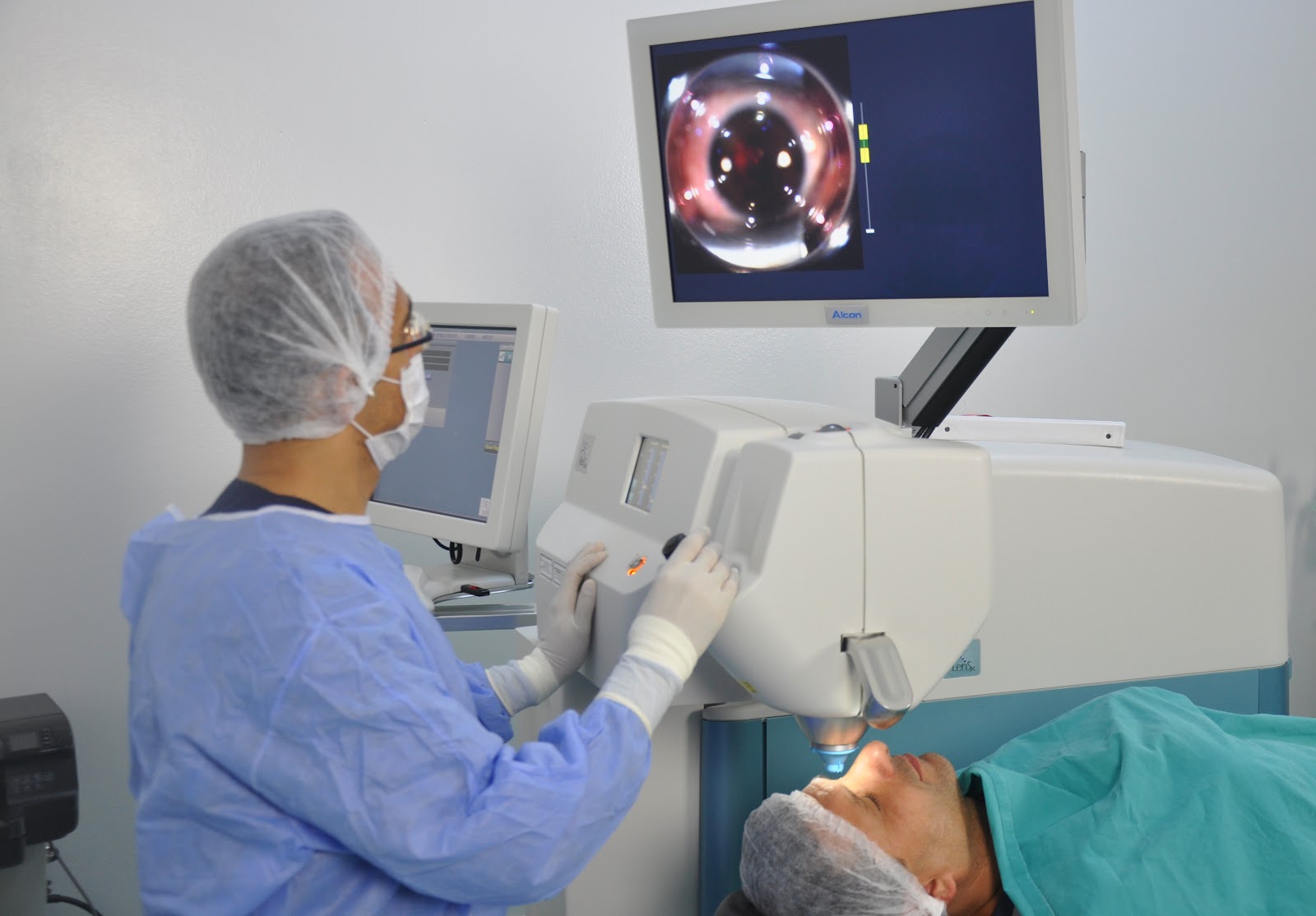
    LenSx® laser is the most advances life changing process that provides a customized cataract surgery experience and gives most safest and effective results. Laser technology permits doctors to regulate the exact length and depth of the incision which reduces the risk of certain problems, infections, and also reducing the recovering time.

    Amrit Hospital
    , Chennai has a good hold on bladeless cataract surgery and has a high rate of successful surgeries. The doctors of Amrit Hospital will work with the patients to understand their needs and accordingly determine best suitable technique.

    http://www.amrithospital.com/contact-us.html


    Visit us: amrithospital.com
    Mail us : amrithospitalchennai@gmail.co

    Thursday, 9 February 2017

    Better Life Through Better Vision

    Glaucoma is a condition which causes damage to the eye’s optic nerve and gets worse with time. It's often linked to a build up of pressure inside the eye.

    Causes Of Glaucoma
    It is the result of high fluid pressure inside the eye. This happens when the liquid in the front part of the eye doesn't circulate the way it should.
    Normally, a fluid called aqueous humor, flows out of the eye through a mesh-like channel. If this channel gets blocked, the liquid builds up. That’s what causes glaucoma.
    Less common causes include a blunt or chemical injury in the eye, severe eye infection, blocked and constricted blood vessels inside the eye and various inflammatory conditions. It mostly affects both the eyes, but it may be worse in one than the other.
    http://www.amrithospital.com/glaucoma-services.html

    Who is affected by Glaucoma?
    It usually affects adults over the age of 40, but teenagers, children and even infants can be affected by it. The probable of getting glaucoma are:
    • 40 years of age and above
    • Family history of glaucoma
    • Having poor and blurred vision
    • Suffering from diabetes
    • Intake of certain steroid medicines
    • Trauma to the eyes

    Symptoms of Glaucoma
    The following are the symptoms of glaucoma:
    • Seeing halos around lights
    • Vision loss
    • Redness in the eye
    • Eye that looks hazy
    • Nausea and vomiting
    • Severe eye pain
    • Narrowed vision

    How is Glaucoma treated?
    There are three ways to treat glaucoma. They are:
    Eye drops- These either reduce the formation of fluid in the eye or increase its outflow. Side effects may include allergies, redness, stinging, blurred vision, and irritated eyes. Some glaucoma drugs may affect your heart and lungs.
    Laser surgery- This procedure can slightly increase the flow of the fluid from the eye for people with open-angle glaucoma. It can stop fluid blockage if you have angle-closure glaucoma.
    Microsurgery- In a procedure called a trabeculectomy, the doctor creates a new channel to drain the fluid and ease eye pressure.

    Amrit Hospital, Chennai is the leading eye care center in India. They provide the best treatment using the latest equipment’s at affordable rates.

    http://www.amrithospital.com/contact-us.html

    Visit us: amrithospital.com
    Mail us : amrithospitalchennai@gmail.com

    Tuesday, 3 January 2017

    LASIK Surgery : Say Goodbye to Lenses

    LASIK Surgery is a refractive surgery. While performing the procedure, an eye surgeon creates a flap in the cornea and uses a laser to reshape the cornea and correct refractive error problems in the eye. LASIK is more appropriate for the people who have a moderate degree of refractive error causing;
    • Nearsightedness in which nearby objects are visible but distant objects are blurry
    • Farsightedness in which nearby objects are blurry but distant objects are clear
    • Astigmatism causes overall blurred vision
    The surgical success depends on the careful evaluation of eyes before the surgery and LASIK gives freedom from glasses and lenses.


    http://www.amrithospital.com/lasik.html


    LASIK is Laser Assisted Insitu Keratomileusis which is a Painless Treatment with faster recovery. The usage of EX500 Excimer laser gives the best results. Anybody who is above 18 years with healthy eyes and stable vision at least for one year is eligible to get performed with LASIK treatment. High powers such as -15, autoimmune disease and pregnancy patients are not fit for LASIK.
     
    It is a day care treatment performed under local anesthesia. The patients will be advised to undergo a preliminary eye examination and measurements are taken to create a unique treatment profile for each individual. Anesthetist numbs the eyes by drops and a flap is created on the cornea which gently lifted back to expose the treatment area. Using the light energy the cornea is reshaped precisely. Soon after the surgery, the flap is repositioned to form a natural bandage and the healing begins. This procedure does not involve any pain, sutures or bandages and the following day the patient can resume normal activities.
     
    • Usage of Wave Light EX500 Excimer Laser brings out faster, accurate, wide range of treatments with better results
    • Affords multiple treatment options
    • High level of comfort is obtained
    • Very safety method
    • Wave Light EX500 Excimer is one of the most advanced lasers 
    • Results with consistency
       
    Amrit hospital was incepted on 1994 by Dr. Sohanraj, a popular ophthalmologist with a crew of medicos offers Lasik surgery in Chennai at an affordable cost.

    http://www.amrithospital.com/lasik.html
    Mail us : amrithospitalchennai@gmail.com

    Saturday, 29 October 2016

    Regain Your Clear Vision Through Blade less Cataract Surgery

    The eyes are the most important organs through which we view  the entire world. We need good eyesight to live our life in a good way. When we suffer from any eye problem, the routine activities will be hindered. We can say if the vision is lost almost everything is lost. Such a vision should be preserved and monitored regularly. Some of the vision problems arise congenitally, due to injury and aging. However, timely treatment is necessary to save our blessed vision. In this article, we pursue about cataract and its advanced surgical procedure.

    bladeless-cataract-surgery.jpg
    Formation of a clouding in the lens is called a Cataract. Lens work like a lens of a camera which is behind the iris, focusing light images on the retina that sends images to the brain. A Cataract makes the images blurred, dull and vision difficulty at the night time. There is no preventive care for cataract. The reasons for cataract would be eye injury, side effects of some medications. A statistic shows that 70% of the people with more than 75 years are affected by cataract. Cataract surgery is performed with many modern techniques. It is actually breaking the clouding into small pieces and replacing with the lens.

    The Lensx laser advanced bladeless cataract surgery treatment helps surgeons to customize the operating procedures based on the patient's’ eyes. Lensx laser emerged with international standard technology with integrated optical coherence tomography (OCT) that precisely captures high- resolution images of eyes. The data, measurement and the images are obtained with the help of OCT that aids doctors perform surgery to an exact specification rather than traditional surgery.

    Amrit Hospital offers best Bladeless Cataract Surgery in Chennai with the help of dedicated team of doctors and other staff. The doctor consultation, patient care, and surgical procedures are available at an affordable price. Our advanced technologies, modern equipment, sophisticated infrastructure forwards us in world class level. More than 100 Bladeless cataract surgeries are done within two months successfully.
    contact-us-1.jpg
    Mail us: amrithospitalchennai@gmail.com